
Value-based recruitment is a hiring approach that focuses on finding candidates whose personal values align with the company's core principles and culture. The key benefits include:
- Better Employee Retention: Employees feel a sense of purpose, have higher job satisfaction, and are more motivated, reducing turnover.
- Improved Team Dynamics: New hires blend well into the company culture, creating a collaborative environment.
- Higher Productivity: Employees who connect with the company's values are more passionate about their work.
- Stronger Customer Relationships: Employees who embody the company's values can deliver exceptional service and build customer loyalty.
- Fostering Innovation: Diverse perspectives and backgrounds can encourage creativity and problem-solving.
The 10 steps for effective values-based recruitment are:
- Define Your Company's Core Values
- Define Role-Specific Values
- Include Values in Job Postings
- Screen for Value Alignment
- Ask Values-Based Interview Questions
- Involve Multiple Interviewers
- Assess Cultural Fit
- Check References
- Make a Team Decision
- Reinforce Values During Onboarding
By investing in a values-based recruitment process, you are hiring individuals who are genuinely invested in your company's success, leading to a more engaged, productive, and cohesive workforce.
Related video from YouTube
1. Define Your Company's Core Values
The first step in values-based hiring is to clearly define your company's core values. These values should reflect your organization's purpose, vision, and culture, serving as guiding principles for decision-making and behavior.
To identify your core values, gather a diverse group of stakeholders, including leaders, HR professionals, and employees from various departments and levels. This collaborative approach ensures the values resonate across the entire organization.
During the workshop, discuss and explore:
1. Company Purpose and Mission
- Why does your company exist?
- What problems do you solve for customers or society?
- What impact do you aim to have?
2. Existing Positive Behaviors and Practices
- What positive attitudes and actions are already present in your company culture?
- Which practices contribute to your company's success and should be reinforced?
3. Desired Principles
- What principles should guide your decision-making and actions?
- What values do you aspire to embody as an organization?
Through this collaborative process, you'll generate a list of potential values. Prioritize and narrow this list down to 5-10 core values that resonate deeply with your company's identity and purpose.
Clearly define each core value to ensure consistent understanding and application throughout the organization. These values will serve as the foundation for your values-based recruitment efforts, guiding the entire hiring process and shaping your company culture.
2. Define Role-Specific Values
After identifying your core company values, the next step is to define role-specific values for each position you're hiring for. This ensures you attract candidates who have the right mindset and behaviors to succeed in that particular role and team.
1. Review the Job Description
Carefully examine the job description, responsibilities, and key skills required for the role. Consider the daily tasks, challenges, and interactions involved. This analysis will help you identify the essential values and traits for success.
2. Evaluate Team Dynamics
Look at the existing team dynamics and culture. Identify the values that would complement the team and foster a positive, collaborative environment. For example, if the team values open communication, you may prioritize transparency and active listening for that role.
3. Consult Experienced Professionals
Engage with managers, team leads, and top performers who have extensive experience in the role or similar positions. Leverage their insights to understand the critical values and behaviors that drive success.
4. Align with Company Values
While role-specific values may vary, ensure they align with and reinforce your core company values. This consistency will strengthen your organizational culture and promote cohesion across teams.
Here's an example of how role-specific values might look for a customer service representative role:
| Role-Specific Value | Description |
|---|---|
| Empathy | Ability to understand and relate to customer perspectives and emotions. |
| Patience | Remaining calm and composed when handling challenging customer interactions. |
| Problem-Solving | Identifying root causes and finding practical solutions to customer issues. |
| Attention to Detail | Carefully listening to customer concerns and accurately documenting information. |
3. Include Values in Job Postings
Clearly state your company's values and the role-specific values in job postings. This helps attract candidates who fit your organization's culture and mindset. Use language that resonates with value-driven candidates to increase your chances of finding the right fit.
Highlight Core Values
Begin by prominently featuring your core company values in the job posting. This can be done through a dedicated section or by weaving the values into the job description itself. For example:
At [Company Name], we believe in [Value 1], [Value 2], and [Value 3]. We seek candidates who share these principles and are passionate about [your mission/vision].
Emphasize Role-Specific Values
In addition to your core values, highlight the specific values and traits essential for success in the role you're hiring for. This shows candidates the behaviors and mindset needed to thrive in that position. For instance:
Key Values for this Role:
- [Value 1]: [Brief explanation of how this value applies to the role]
- [Value 2]: [Brief explanation]
- [Value 3]: [Brief explanation]
Use Value-Aligned Language
Craft the job posting using language that reflects your values and resonates with candidates who share those values. For example, if one of your values is "teamwork," use phrases like "collaborate effectively," "work well in a team," or "contribute to a cooperative environment."
Here are some examples of value-aligned language:
| Value | Example Language |
|---|---|
| Teamwork | "Collaborate effectively," "Work well in a team," "Contribute to a cooperative environment" |
| Honesty | "Act with integrity," "Demonstrate transparency," "Build trust" |
| Customer Focus | "Prioritize customer needs," "Provide excellent service," "Understand customer perspectives" |
4. Screen for Value Alignment
Identify candidates whose personal values match your company's core principles by including value assessments or questionnaires in the initial screening process.
Value Assessment Tools
Use a validated assessment tool to evaluate how well a candidate's values align with your organization's priorities, such as:
| Company Value | Assessment Criteria |
|---|---|
| Integrity | Honesty, ethical behavior, accountability |
| Teamwork | Collaboration, communication, cooperation |
| Customer Focus | Service mindset, empathy, problem-solving |
Analyze the results to find candidates whose values closely match your company's.
Value-Based Questionnaire
Develop a questionnaire that explores how candidates have demonstrated your core values in past experiences. Ask for specific examples illustrating their alignment with each value.
Example question for the value "Excellence":
- "Describe a time when you went above and beyond to deliver outstanding results. What motivated you, and how did you approach the situation?"
Evaluate their responses to gauge their understanding and embodiment of your values.
Resume and Cover Letter Screening
Carefully review resumes and cover letters for language, accomplishments, and narratives reflecting your company's values. Look for keywords and experiences demonstrating a natural alignment with your core principles.
5. Ask Values-Based Interview Questions
During the interview, ask questions that show if the candidate's values match your company's values. The STAR (Situation, Task, Action, Result) method works well for this.
Behavioral Interview Questions
Ask candidates to share real examples from their past that show they have a certain value. For example, to see if they value "Teamwork," you could ask:
- "Tell me about a time you had to work with a diverse team to reach a goal. What challenges did you face and how did you overcome them?"
- "Describe a situation where you had to resolve conflict within your team. How did you approach it and what was the outcome?"
Situational Interview Questions
Give candidates hypothetical scenarios and ask how they would respond. This shows if their decision-making aligns with your values. For the value "Integrity," you could ask:
- "If you found out a coworker was falsifying expense reports, how would you handle it?"
- "Imagine you're working on a project with a tight deadline. A team member suggests cutting corners to meet the deadline. How would you respond?"
Using STAR to Evaluate Responses
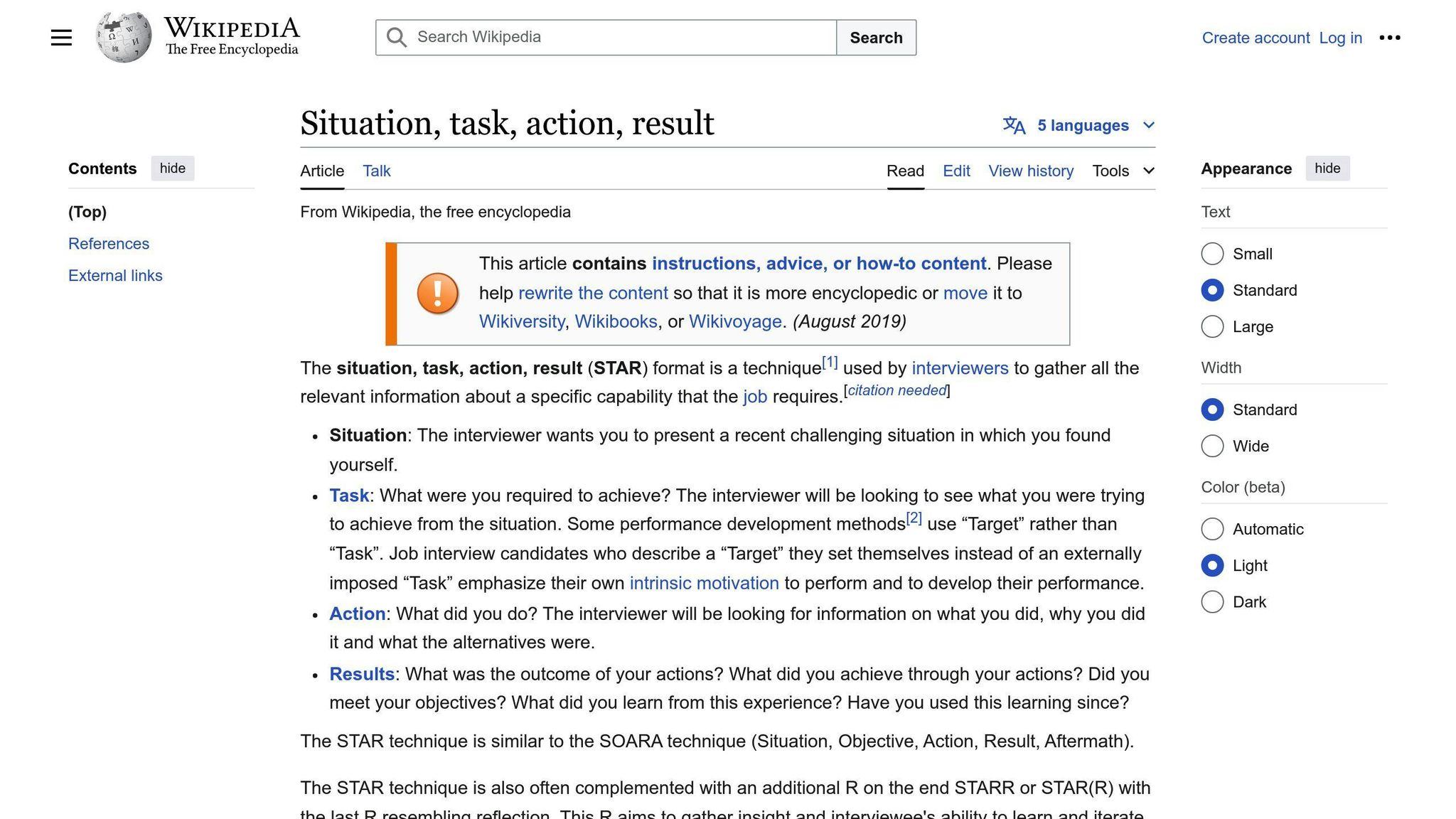
When candidates give examples, ask follow-up questions using STAR to fully understand their thought process and behavior:
- Situation: Have them describe the specific situation or challenge.
- Task: Ask about their role or responsibility in that situation.
- Action: Find out the specific actions they took.
- Result: Have them explain the outcome of their actions.
Evaluating responses this way shows if their actions matched your company's values.
Involve Multiple Interviewers
Have interviewers from different teams participate in the values-based interviews. This provides diverse perspectives and reduces individual bias in the assessment.
sbb-itb-0774674
6. Involve Multiple Interviewers
Having multiple interviewers in the values-based interview process offers these key benefits:
Diverse Viewpoints
Interviewers from different teams or roles bring varied experiences and perspectives. This allows for a well-rounded assessment of how a candidate's values align with your organization from multiple angles.
Reduced Bias
With multiple interviewers, individual biases are minimized. Each interviewer provides an objective evaluation based on their interactions with the candidate, reducing the impact of any single person's preconceptions.
Focused Evaluation
Assign interviewers to focus on specific values or competencies. This allows for an in-depth exploration of each area, ensuring a thorough assessment of the candidate's fit.
Structured Evaluation
Establish a predefined rubric or rating system for evaluating candidates' responses and behaviors during the interview. Encourage interviewers to provide objective ratings based on this rubric, fostering a consistent evaluation process.
Collaborative Decision-Making
After the interviews, bring all interviewers together to discuss their observations and ratings. This collaborative approach allows for a well-rounded discussion, where different perspectives can be shared, and a consensus can be reached on the candidate's overall values alignment.
Here's an example of how you could structure the interview process with multiple interviewers:
| Interviewer | Focus Area |
|---|---|
| HR Representative | Core Company Values |
| Hiring Manager | Role-Specific Values |
| Team Lead | Team Dynamics and Culture Fit |
| Subject Matter Expert | Technical Skills and Knowledge |
7. Assess Cultural Fit
Beyond skills and experience, it's vital to evaluate if a candidate's personality and work style align with your company's culture and values. Observe how they interact with the interview team and their overall demeanor.
Observe Interactions
Pay attention to how candidates communicate and engage with interviewers. Do their behaviors and attitudes match your company culture? For example, if collaboration is a core value, note if they demonstrate a collaborative mindset.
Evaluate Situational Responses
Ask questions that reflect real workplace scenarios. Evaluate if their responses align with your organization's values and approaches to problem-solving, decision-making, and conflict resolution.
Assess Value Alignment
Probe candidates' understanding of your company's values and how they align with their personal values and work style. Look for genuine resonance with your mission, vision, and core beliefs.
Involve Current Employees
Consider involving current employees from various teams in the interview process. They can provide insights into whether a candidate's personality and communication style would mesh well with the existing team dynamics and culture.
Evaluate Work Environment Fit
Assess if the candidate's preferences and expectations align with your organization's work environment. For example, if you have a flexible or remote work culture, gauge their ability to thrive in such an environment. If your workplace values in-person collaboration, ensure the candidate is comfortable with an in-office setting.
Observe Interactions and Behavior
| Observation | Positive Indicators |
|---|---|
| Communication Style | Clear, respectful, active listening |
| Collaboration | Inclusive, open to diverse perspectives |
| Problem-Solving | Logical, creative, solution-oriented |
| Decision-Making | Thoughtful, considers multiple factors |
| Conflict Resolution | Calm, seeks common ground, diplomatic |
Evaluate Situational Responses
| Scenario | Desired Response |
|---|---|
| Tight Deadline | Prioritizes quality over shortcuts |
| Difficult Customer | Remains patient, empathetic, and professional |
| Team Disagreement | Seeks compromise, values different viewpoints |
| Ethical Dilemma | Upholds integrity, follows ethical principles |
8. Check References
Checking references is vital for values-based hiring. It lets you see if a candidate's actions match the values they claim to have. By talking to former colleagues or supervisors, you can verify if the candidate truly upholds your core values.
Ask for Specific Examples
When contacting references, don't just ask general questions about strengths and weaknesses. Instead, request specific examples showing the candidate's values in action. For instance:
| Value | Example Question |
|---|---|
| Integrity | "Can you share a time when the candidate stood up for what's right, even if it was difficult?" |
| Teamwork | "Could you give an example of when the candidate collaborated well with others and helped build a positive team environment?" |
| Excellence | "Can you recall a project where the candidate went above and beyond to deliver outstanding results?" |
Confirm Value Alignment
Directly ask references about the candidate's alignment with your organization's core values. Inquire about their work style, decision-making, and how they handle challenges or conflicts. This reveals insights into their value system and cultural fit.
Look for Consistency
Pay attention to any inconsistencies between the candidate's self-portrayal and the reference feedback. Significant discrepancies may indicate a lack of self-awareness or misalignment with your values. Consistency across multiple references provides confidence in the candidate's authenticity.
Gather Multiple Perspectives
To get a well-rounded view, gather feedback from various types of references, such as:
- Direct supervisors or managers
- Peers or colleagues
- Clients or customers (if applicable)
- Mentors or advisors
Different perspectives can shed light on different aspects of a candidate's values and behaviors, helping you make an informed decision.
9. Make a Team Decision
Involving the whole hiring team in the decision process is key for values-based recruitment. This collaborative approach ensures multiple viewpoints are considered, biases are reduced, and the chosen candidate aligns with the company's core values and role requirements.
Structured Evaluation
Implement a structured evaluation process where each interviewer rates the candidate's demonstration of specific values during the interviews. Use standardized scorecards or forms to rate the candidate objectively. This data helps facilitate an informed team discussion.
| Value | Rating (1-5) | Comments |
|---|---|---|
| Integrity | 4 | Clear example of upholding ethical standards despite challenges. |
| Teamwork | 3 | Collaborative mindset, but could improve on actively seeking input. |
| Excellence | 5 | Strong commitment to delivering high-quality work. |
Collaborative Discussion
After individual evaluations, bring the hiring team together to discuss. Each interviewer should share insights, observations, and concerns regarding the candidate's value alignment. Encourage open dialogue, respectful debate, and a willingness to challenge biases.
During the discussion, consider:
- Areas of agreement and disagreement on the candidate's value alignment.
- Specific examples or situations demonstrating the candidate's values.
- Any inconsistencies or concerns raised.
- The candidate's potential cultural fit within the team and company.
Consensus-Based Decision
Aim for a consensus-based decision that considers the collective input of the hiring team. While unanimity is ideal, it may not always be possible. In such cases, establish a process that gives appropriate weight to the perspectives of those who will work closely with the candidate.
If consensus cannot be reached, consider:
- Conducting additional interviews or assessments for more information.
- Involving a neutral third party to facilitate the discussion and provide an objective perspective.
- Deferring to the decision of a designated hiring manager or executive, taking into account the team's feedback.
10. Reinforce Values During Onboarding
Onboarding is crucial for instilling the company's values in new hires. A well-designed program should immerse them in the culture and provide ongoing training to help them understand and live the values.
Senior Leadership Involvement
Have senior leaders share their experiences and perspectives on the company's values during onboarding. This shows new hires that these principles are more than just words.
Storytelling and Examples
Use real-life scenarios to illustrate how the values have been applied in the organization. Encourage new hires to discuss how they can incorporate these values into their work.
| Value | Example Scenario |
|---|---|
| Integrity | An employee prioritized ethics over meeting a deadline. |
| Teamwork | A cross-functional team collaboration led to a successful product launch. |
| Excellence | An employee went above and beyond to deliver exceptional customer service. |
Continuous Reinforcement
Reinforce the company's values throughout the onboarding process and beyond:
1. Mentorship Program
Assign a values mentor or buddy to each new hire. This experienced employee can provide guidance and share insights on living the company's values.
2. Values-Based Goals
Encourage new hires to identify specific goals that align with the company's values. This helps them understand how their work contributes to the organization's mission and values.
3. Recognition and Rewards
Implement a program that celebrates employees who exemplify the company's values. This reinforces the importance of living the values and encourages others to follow suit.
The Value of Values-Based Hiring
Hiring people whose beliefs match your company's core values is called values-based recruitment. This approach helps build a committed team that supports your company's mission and goals. Here are the key benefits:
Better Employee Retention
When employees share your company's values, they:
- Feel a sense of purpose in their work
- Have higher job satisfaction
- Are more motivated
- Stay with the company longer (lower turnover rates)
Improved Team Dynamics
Hiring for values fit ensures new employees blend well into the company culture, creating a positive and collaborative work environment.
Higher Productivity and Performance
Employees who connect with the company's values are more likely to be passionate about their work, leading to:
- Higher productivity
- Better overall performance
Stronger Customer Relationships
Employees who embody your company's values are better equipped to deliver exceptional service and build stronger relationships with customers, ultimately driving customer loyalty and satisfaction.
Fostering Innovation
By embracing diverse perspectives and backgrounds, a values-based hiring approach can encourage creativity, innovation, and problem-solving.
By investing in a values-based recruitment process, you are hiring individuals who are genuinely invested in your company's success. This approach ensures a better fit between employees and the organization, leading to a more engaged, productive, and cohesive workforce that can drive your business forward.
Remember, values-based hiring is an ongoing process that requires continuous commitment. Embrace this approach, and you will be well on your way to building a high-performing team that truly embodies your company's values and contributes to its long-term success.
What is value-based recruitment?
Value-based recruitment is a hiring approach that focuses on assessing a candidate's alignment with an organization's core values and principles, in addition to their skills and qualifications. It aims to identify individuals who not only possess the necessary competencies but also share the company's beliefs, attitudes, and behaviors, ensuring a better cultural fit and long-term success within the organization.
FAQs
What is value-based recruitment?
Value-based recruitment focuses on finding candidates whose personal beliefs and behaviors match the company's core principles and culture. It goes beyond just assessing skills and experience. The goal is to hire people who will fit well with the organization's mission, vision, and work environment.
Here's how it works:
- The company clearly defines its core values and the specific values needed for each role.
- During the hiring process, candidates are evaluated on how well their values align with the company's values through:
- Value-based interview questions
- Assessments and questionnaires
- Reference checks
- Candidates whose values closely match the company's are more likely to be hired.
This approach helps build a team that is genuinely invested in the company's success and shares its beliefs. It leads to:
| Benefit | Explanation |
|---|---|
| Better Employee Retention | Employees feel a sense of purpose and are more motivated and satisfied, reducing turnover. |
| Positive Team Dynamics | New hires blend well into the company culture, creating a collaborative environment. |
| Higher Productivity | Employees who connect with the company's values are more passionate about their work. |
| Stronger Customer Relationships | Employees who embody the company's values can deliver exceptional service and build customer loyalty. |
| Fostering Innovation | Diverse perspectives and backgrounds can encourage creativity and problem-solving. |